Siding That Stands Up to Forty Winters and Forty Summers
Vinyl, fibre cement, engineered wood, and metal cladding installed for the freeze-thaw reality of the Ottawa Valley — with a written fixed-price quote, the building permit handled end to end, and a written workmanship warranty at close-out.
Your wall works harder here than almost anywhere in Canada
Your siding is the single largest weather-facing surface on your house, and in Ottawa it works harder than almost anywhere in the country. It absorbs ultraviolet load from May through September, then swings through dozens of freeze-thaw cycles between November and April. A south-facing wall in Barrhaven can move through a fifty-degree temperature change in a single late-winter day. Cladding that was installed without room to expand, or fastened without a continuous drainage plane behind it, will telegraph that abuse within a few seasons — buckled panels, blown butt joints, water tracking behind the wall, and rot in the sheathing you cannot see.
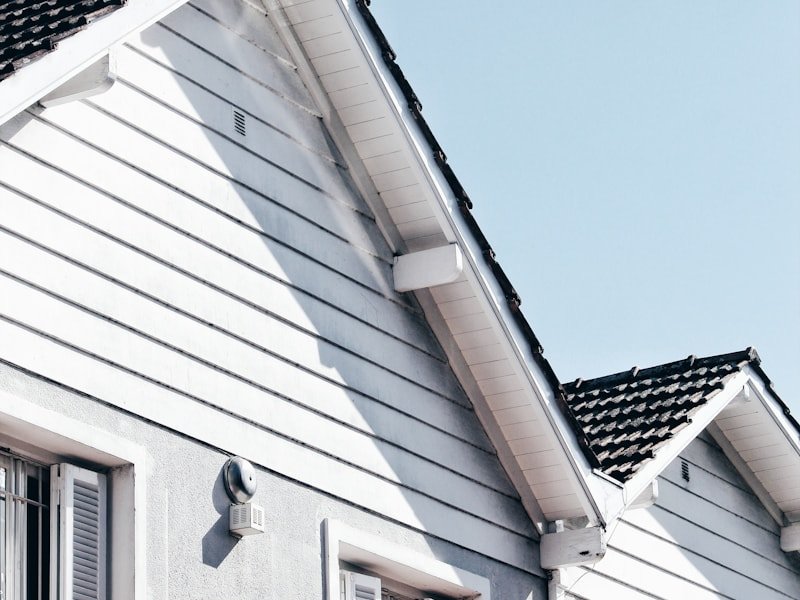
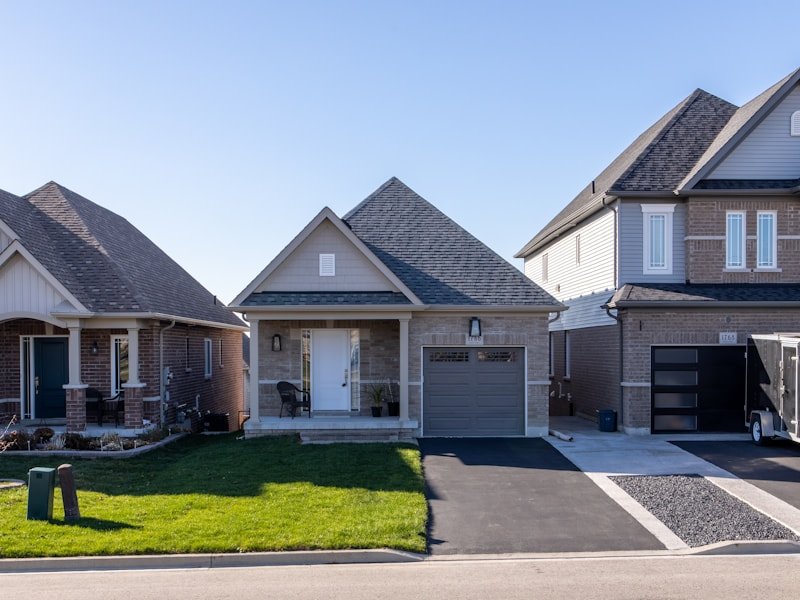
Siding and exterior cladding is the work we do. That focus matters because exterior envelope work in this climate is a detailing trade, not a panel-hanging trade. The panels themselves are commodities; the difference between a wall that lasts decades and a wall that fails early is in the flashing, the starter strip, the expansion gaps, the house wrap laps, the corner posts, and the way water is given a path to drain and dry. Across years of hands-on work on Ottawa-area homes — from century brick in the Glebe to 1970s aluminum-clad bungalows in Alta Vista to new builds in Kanata and Riverside South — we have seen how every housing vintage in this city fails in its own particular way, and we detail for it.
This is content written for homeowners, not for the trade. Below you will find what each material actually costs in the current Ottawa market, how the permit and inspection process works under the City of Ottawa and the Ontario Building Code, which problems we see most often on local walls, and the questions worth asking any contractor before you sign. The goal is to give you enough real information to make a confident decision — whether or not you end up calling us.
Why homeowners choose us
Built on process you can verify, not claims you can't
Every reason below is something we do on every job — phrased so it's true by construction, not a credential you'd have to take on faith.
01
Siding is the trade, not a sideline
Exterior cladding and the envelope details behind it are what we do every working day. We're not fitting your siding in between roofing jobs and kitchen renos. That specialization is why our flashing and drainage detailing holds up through Ottawa winters.
02
The permit is handled end to end
Re-cladding that disturbs the building envelope generally requires a City of Ottawa building permit under the Ontario Building Code Act. We prepare the application, submit through the City's online portal, and coordinate the inspection schedule so you're never chasing the City yourself.
03
Detailed for freeze-thaw
Ottawa runs through dozens of freeze-thaw cycles a year. We install with the expansion gaps, drainage plane, and flashing laps the climate demands — not the minimum a panel ships with. Trapped water that freezes is the single most common cause of premature cladding failure in this city.
04
Documented quality steps
Tear-off inspection of the sheathing, house-wrap and flashing review before panels go up, and a final walk-around with you are standard on every project. Each stage is documented so there's a record of what's behind your walls.
05
A fixed written price
After an on-site assessment we provide a written, fixed-price quote. The number you sign is the number you pay, with any allowances and exclusions stated in plain language on the same page.
06
A written warranty at close-out
When the job closes we deliver a written workmanship warranty alongside the manufacturer's material warranty documents, so your coverage is in writing and in your hands — not a verbal promise.
Siding & cladding services
Every material Ottawa homes actually need
Each service carries an indicative installed price range from published 2026 Ottawa-and-Ontario market data. Your actual price is the written, fixed quote you receive after an on-site assessment.
Vinyl Siding Installation
Vinyl remains the most-installed cladding in Ottawa: lowest-cost major material, never needs painting, and modern premium panels are far thicker and more fade-resistant than older vinyl. Insulated vinyl adds wall R-value and stiffens the panel against wind and hail. It must be hung loose to allow movement — correct fastening is the whole game.
Indicative installed$6–$14 / sq. ft.
Fibre Cement (Hardie-type)
The premium long-life choice — non-combustible, rot-proof, pest-proof, and holding a baked-on factory colour that resists Ottawa's UV far longer than vinyl. It's heavy and demands skilled installation; in freeze-thaw, back-priming, gapping, and flashing are non-negotiable. Systems engineered for northern climates address this directly.
Indicative installed$12–$18 / sq. ft.
Engineered Wood Siding
The warmth and deep grain of real cedar at a fraction of the cost and maintenance — which is why it's gained ground in Ottawa as the mid-point between vinyl and fibre cement. It resists humidity and UV better than natural lumber, but depends entirely on correct installation and sealed cut ends to keep moisture out of the substrate.
Indicative installed$10–$16 / sq. ft.
Aluminum & Steel Siding
Durable, fire-resistant, and dimensionally stable through temperature swings that warp other materials — it won't melt, rot, or feed insects. Many older Ottawa homes still wear original 1960s–70s aluminum; we restore and replace it. Steel offers superior impact resistance; aluminum is lighter and corrosion-resistant.
Indicative installed$9–$18 / sq. ft.
Removal & Sheathing Repair
Tear-off is where hidden problems surface. Once old cladding comes down we inspect the sheathing and framing for water damage, rot, and failed house wrap, and repair what we find before the new wall goes up. Re-siding over compromised sheathing is the most expensive mistake a homeowner can make.
IndicativeQuoted after assessment
Soffit, Fascia & Trim
A siding project is the right moment to address the soffit, fascia, and trim that frame it — for a finished look and because these elements manage the water and attic ventilation that keep the wall assembly dry. We coordinate trim and ventilation detailing as part of the cladding scope.
Indicative installed$8–$16 / linear ft.
Exterior Insulation & Air Sealing
Re-cladding exposes the building envelope, making it the ideal time to add continuous exterior insulation and improve air sealing. Ontario's 2026 building code updates raised wall insulation expectations, and adding it now is far easier than retrofitting later — improving comfort, reducing heating load, and lowering condensation risk.
IndicativeQuoted with siding scope
Storm & Impact Re-Cladding
Wind, hail, and ice take a measurable toll on Ottawa cladding every year. We assess storm and impact damage, document the condition for your records, and re-clad affected elevations to match — coordinating the technical scope so the repair restores the wall's weather protection, not just its appearance.
IndicativeQuoted after assessment
Indicative Ottawa pricing
Real numbers before any contractor visit
The ranges below reflect published 2026 Ottawa-and-Ontario market pricing for fully installed siding, including standard tear-off and labour. They're indicative, not an offer to contract — your price is the written, fixed quote after an on-site assessment.
Typical 2,000 sq. ft. Ottawa home
$12,000 – $32,000
Whole-home installed total, varying widely by material and wall area. A small bungalow in fibre cement can cost more than a large two-storey in vinyl — the only number that reflects your actual house is the written quote.
Vinyl siding
$6–$14 / sq. ft.
Lowest-cost major material; insulated grades add R-value
The material you choose, the total wall area and number of storeys, how much old cladding must be removed, the condition of the sheathing once exposed, the amount of trim around windows and corners, scaffolding or lift access on tall walls, and whether you add exterior insulation.
What these ranges exclude: the City of Ottawa permit fee, billed at cost; any structural or sheathing repair found at tear-off, quoted once the wall is open; exterior insulation, quoted separately; HST; and unforeseen conditions behind the existing cladding. Indicative pricing describes the Ottawa market and is not an offer to contract. The price you pay is the one written into your signed quote.
Problems we solve
The failures we see on Ottawa walls
Each one ties to a real local condition — climate, snow load, or the housing stock itself.
01Buckled, wavy vinyl
Vinyl expands and contracts measurably across Ottawa's fifty-plus-degree annual swing. Nailed too tight, it has nowhere to go and buckles into waves, most visibly on south and west walls. The fix is correct loose-nail fastening with proper expansion clearance at every panel and accessory.
02Freeze-thaw cracking
Water that gets behind cladding and then freezes is the defining failure mode of the Ottawa climate. In fibre cement, repeated cycling on saturated board can make it brittle; in any system, trapped ice splits joints and pops fasteners. The defence is a continuous drainage plane and flashing that gives water a path out.
03Ice damming & eave rot
Ottawa's snow load and freeze-thaw cycles drive ice damming, forcing meltwater up under the eaves and into the soffit and fascia. Left unaddressed, that water rots the trim and tracks into the wall top. We treat soffit, fascia, and the wall-roof junction as part of the cladding scope.
04Failed or absent house wrap
On many older Ottawa homes the tear-off reveals degraded tar paper or no weather-resistive barrier at all. Without a working drainage plane, every wind-driven rain reaches the sheathing directly. We install a continuous barrier, correctly lapped and integrated with window and door flashing.
05Hidden sheathing rot
Re-siding is often prompted by what you can see, but the real cost driver is what you can't. Plywood and OSB that has been wet for years is soft, delaminated, and won't hold a fastener. Our tear-off includes a full sheathing inspection, and we quote and repair the damage before re-cladding.
06Aging mid-century aluminum
Many Alta Vista, Carlington, and Elmvale Acres bungalows still wear original 1960s–70s aluminum — dented, chalked, and uninsulated. It can sometimes be restored, but a re-clad with insulated vinyl or fibre cement modernizes the look and lets us add the exterior insulation the original wall never had.
Homeowner checklist
Get siding done right — and know what to ask
Educational, not a sales pitch. Here's the standard we work to, and the questions worth asking any contractor before you sign.
The standard we work to
✓A continuous weather-resistive barrier (house wrap) correctly lapped and integrated with all window and door flashing
✓Manufacturer-specified expansion clearances at every panel and accessory so the wall moves without buckling
✓Full tear-off inspection of the sheathing, with any rot quoted and repaired before re-cladding
✓Flashing at every penetration, transition, and wall-roof junction, detailed to drain water out rather than trap it
✓A written, fixed-price quote with allowances and exclusions stated in plain language
✓A written workmanship warranty delivered alongside the manufacturer's material warranty at close-out
Questions to ask before you sign
?Will you pull the City of Ottawa building permit, and is the permit fee in your quote or billed at cost separately?
?What weather-resistive barrier do you install, and how do you integrate it with my window and door flashing?
?How do you set expansion gaps for this material in our freeze-thaw climate?
?What happens — and what does it cost — if you find rotten sheathing once the old siding is off?
?Is your price fixed in writing, and what specifically is excluded?
?What workmanship warranty do you provide in writing, and how does it sit alongside the material warranty?
How it works
Six steps from first call to final walk-around
Each step carries a commitment we control — a response time, a quote timeline, a documented inspection.
1
On-site assessment
We measure the wall area, inspect the existing cladding and trim, and discuss materials, colours, and problem areas. We aim to schedule within two business days of your call.
2
Written fixed-price quote
You receive a written, fixed-price quote — typically within three business days — with material, scope, allowances, and exclusions on one page. The number you sign is the number you pay.
3
Permit & scheduling
Once you approve, we prepare and submit the building permit through the City of Ottawa's online portal, order materials, and book your install window — keeping you informed of permit status throughout.
4
Tear-off & inspection
We remove the old cladding and inspect the sheathing and framing. If we find rot or failed house wrap, we show you, document it, and confirm the repair cost before proceeding — no surprises buried in the wall.
5
Installation & detailing
The new barrier, flashing, and cladding go up to manufacturer spec and the Ontario Building Code, with the expansion and drainage detailing our climate requires. Inspections are coordinated with the City as the permit requires.
6
Walk-around & close-out
We walk the finished wall with you, clean up the site, pass final City inspection, and hand over your written workmanship warranty together with the manufacturer's material warranty documents.
Service areas
Siding across Ottawa & surrounding communities
We install and repair siding across the City of Ottawa and the towns around it. Not sure if you're in our area? Call or message and we'll confirm right away.
Centretown
The Glebe
Old Ottawa South
Old Ottawa East
Westboro
Hintonburg
Wellington Village
Alta Vista
Riverside South
Barrhaven
Kanata
Stittsville
Bells Corners
Nepean
Manotick
Greely
Orléans
Blackburn Hamlet
Gloucester
Vanier
Rockcliffe Park
New Edinburgh
Sandy Hill
Carlington
Elmvale Acres
Findlay Creek
Cumberland
Navan
Carp
Dunrobin
Richmond
Osgoode
Metcalfe
Kemptville
Ottawa local guide
Permits, codes & climate — the Ottawa specifics
The regulatory and climate facts that shape every siding project in this city, with their real current values.
You generally need a permit
Under the Ontario Building Code Act, a building permit is required before work that affects the building envelope — and re-cladding that disturbs the wall assembly generally qualifies. The City of Ottawa's Building Code Services division issues these permits and now accepts applications through its online portal via a My ServiceOttawa account. We handle that application as part of the project.
How the permit fee is calculated
The City updated its Comprehensive Building Code Fee Schedule effective January 1, 2026. Residential permit fees are calculated on the construction value of the work — in the order of $13 to $15 per $1,000 of value, with minimum fees on smaller jobs. The fee is modest relative to the project and is billed at cost in our quotes.
The new zoning bylaw
Ottawa's new Zoning By-law No. 2026-50 was approved by City Council on January 28, 2026, transitioning the city from the old R-zones to new Neighbourhood (N) zones to allow greater density. A straight re-clad doesn't change your footprint, but if your project also adds to the structure, setbacks, lot coverage, and height limits can apply.
Heritage districts add a step
If your home sits in a designated heritage conservation district — parts of the Glebe, Rockcliffe Park, New Edinburgh, and others — changes to the exterior appearance can require additional heritage review on top of the building permit. Material and colour choices may be constrained. We flag this at the assessment so it's built into the timeline.
Build for freeze-thaw
Ottawa's defining building challenge is its freeze-thaw cycling: dozens of crossings of the freezing point each year, heavy snow load, and intense summer UV. This is why drainage-plane detailing, expansion clearance, and flashing are not optional extras here — they're the difference between a wall that lasts and one that fails early.
Upgrade energy performance
Because re-cladding opens the building envelope, it's the most cost-effective moment to add continuous exterior insulation and improve air sealing — work that's far more disruptive to retrofit later. Ontario's 2026 code updates raised wall insulation and air-sealing standards, and Natural Resources Canada notes that better insulation reduces heat loss and heating energy.
What homeowners say
In their own words, across the city
"They re-hung the vinyl our previous installer had nailed too tight — the south wall was a washboard of buckles every summer. Two years on it's dead flat through the heat. The difference is all in how it was fastened."
— Homeowner, Barrhaven
"When they pulled the old aluminum off our Alta Vista bungalow they found rot in the sheathing none of us could see. They showed me, quoted the repair before carrying on, and there were no surprises on the final bill."
— Homeowner, Alta Vista
"The written quote actually held. The number on the page at the start was the number we paid at the end, exclusions and all. After two contractors who 'discovered' extra costs, that alone was worth it."
— Homeowner, Kanata
"We went with fibre cement and were nervous about the freeze-thaw stories. They walked us through the back-priming and flashing, handled the City permit, and the wall has come through two winters perfectly."
— Homeowner, Westboro
"They treated the soffit and fascia as part of the job instead of an upsell. Our ice-damming problem at the eaves is gone, and the trim finally matches the new siding."
— Homeowner, Orléans
"The permit and inspections were handled entirely by them. I never had to call the City once. For a first-time renovation that took all the stress out of it."
— Homeowner, Riverside South
"We added exterior insulation while the wall was open on their recommendation. The house is noticeably warmer this winter and the upstairs rooms hold heat far better than before."
— Homeowner, Stittsville
"Engineered wood gave us the cedar look we wanted without the upkeep. The sealed cut ends and careful detailing were exactly the kind of thing the previous quote never even mentioned."
— Homeowner, Manotick
Frequently asked questions
Everything homeowners ask before they call
Generally yes. Under the Ontario Building Code Act, work that alters or repairs the building envelope requires a building permit from the City of Ottawa, and a re-clad that disturbs the wall assembly typically qualifies. The City's Building Code Services division issues the permit through its online portal. We prepare and submit the application as part of the project.
Based on published 2026 Ottawa-and-Ontario market pricing, installed siding runs roughly $6–$14 per square foot for vinyl, $10–$16 for engineered wood, $9–$18 for aluminum or steel, and $12–$18 for fibre cement. A typical 2,000-square-foot home commonly lands between about $12,000 and $32,000 depending on material and wall area. These are indicative ranges; your price is the written quote after an on-site assessment.
It depends on your exposure and budget. Vinyl is the value choice and handles the climate well when fastened correctly. Fibre cement and metal are the most dimensionally stable through freeze-thaw and the most fire-resistant, at a higher price. Engineered wood sits in between. The deciding factors are how exposed your walls are, your maintenance appetite, and the look you want — we walk through the trade-offs at the assessment.
Almost always because it was nailed too tight. Vinyl and other panels must be able to expand and contract across Ottawa's large annual temperature swing. If fasteners pin the panel in place, it buckles into waves, especially on sun-facing walls. Correct installation leaves a specified expansion gap at every panel so the wall can move without distorting.
Ottawa crosses the freezing point dozens of times each winter. Water that gets behind cladding and then freezes is the leading cause of early failure — it splits joints, pops fasteners, and over many cycles can embrittle materials like fibre cement. The defence is a continuous drainage plane behind the panels and flashing that lets water drain and dry, which is why envelope detailing matters more here than in milder climates.
It's the ideal time. Re-cladding exposes the building envelope, so adding continuous exterior insulation and improving air sealing is far easier and cheaper than retrofitting later. Ontario's 2026 code updates raised wall insulation and air-sealing standards, and the upgrade improves comfort and reduces heating energy through every winter that follows. We quote it as a separate, optional line.
We stop and show you. Our tear-off includes a full inspection of the sheathing and framing. If we find water damage, rot, or failed house wrap, we document it, quote the repair, and confirm the cost with you before re-cladding. Repairing the substrate is essential — cladding over rotten sheathing simply hides a failure that keeps spreading.
Most single-family re-clads take roughly one to two weeks of on-site work, depending on the size of the home, the material, the amount of trim detailing, and whether sheathing repair or exterior insulation is added. Weather and the City inspection schedule can also affect timing. We give you an expected window in writing when you approve the quote.
Yes, with an added step. Homes in designated heritage conservation districts — parts of the Glebe, Rockcliffe Park, New Edinburgh, and others — can require heritage review of exterior changes, and material or colour choices may be constrained. We flag heritage status at the assessment and build the review into the timeline so it doesn't cause late surprises.
It depends on your priorities. Fibre cement costs meaningfully more and is heavier to install, but it's non-combustible, rot- and pest-proof, and holds its factory colour against UV far longer than vinyl. For exposed walls, fire-conscious sites, or homeowners who want the longest service life, the premium often makes sense. For budget-focused projects, premium insulated vinyl remains a strong, durable choice.
Both. We handle full re-clads, partial elevation replacements, and targeted repairs — including storm and impact damage assessment. Where aging aluminum or other cladding can be restored rather than replaced, we'll tell you. The right scope comes out of the on-site assessment.
Two layers. The siding material carries the manufacturer's product warranty, and we deliver a written workmanship warranty on our installation at project close-out. Both sets of documents are handed to you at the end of the job so your coverage is in writing rather than a verbal promise.
Call us or submit the contact form to book an on-site assessment, which we aim to schedule within two business days. After we measure and inspect your walls, you receive a written, fixed-price quote — typically within three business days — at no cost and no obligation. There's no charge to find out where you stand.
Get started
Book your no-cost siding assessment
We measure your home, inspect the existing cladding and sheathing, talk through materials and colours, and follow up with a written, fixed-price quote — typically within three business days, with the permit and warranty handled as part of the job. No cost, no obligation.